Reinforced Autoclaved Aerated Concrete (RAAC) is a lightweight, cellular “bubbly” concrete material that was used extensively in the UK from the mid 1950s to the mid 1990s. While commonly found in flat roofing, it was also utilised in floors and walls across many public and commercial buildings. Because RAAC has a limited functional lifespan of approximately 30 years, many existing installations have now reached or exceeded their design life, posing a significant structural risk. MM Building Surveyors provides specialist inspections to identify, assess, and manage the presence of RAAC within your property portfolio.
Unlike traditional reinforced concrete, RAAC lacks the same level of structural robustness and is susceptible to sudden failure, particularly when affected by water ingress or poor maintenance. Our role is to provide property owners and managers with a definitive assessment of their assets, ensuring that any presence of this material is identified and managed before a critical failure occurs.
A specialist RAAC survey from MM Building Surveyors offers:
Expert Identification: Distinguishing RAAC from other forms of concrete through forensic site inspections.
Risk Assessment: Evaluating the condition of the material and its potential for failure.
Strategic Reporting: Providing clear evidence of findings to inform your Capital Expenditure Plans.
Compliance: Ensuring you meet your health and safety obligations as a building owner or manager.
Our surveyors conduct RAAC audits throughout London, Hertfordshire, Bedfordshire, and Buckinghamshire, helping clients manage the risks across large estates and individual units.
The discovery of RAAC can have a profound impact on the value and insurability of a building. We ensure that RAAC considerations are a key part of any Pre-Acquisition Building Survey, protecting purchasers from inheriting significant structural liabilities.
For those managing leasehold assets, we advise on the implications for Dilapidations and Licences for Alterations, ensuring that any works proposed by tenants do not compromise the integrity of RAAC elements. We also consider the impact on Reinstatement Cost Assessments, as the requirement for modern replacements can significantly alter rebuild valuations.
Traditional concrete is reinforced with steel to provide strength and durability. RAAC is much lighter and more porous, with the steel reinforcement often lacking sufficient protective coating. This makes it highly susceptible to corrosion and sudden, “brittle” failure without the obvious warning signs seen in traditional structures.
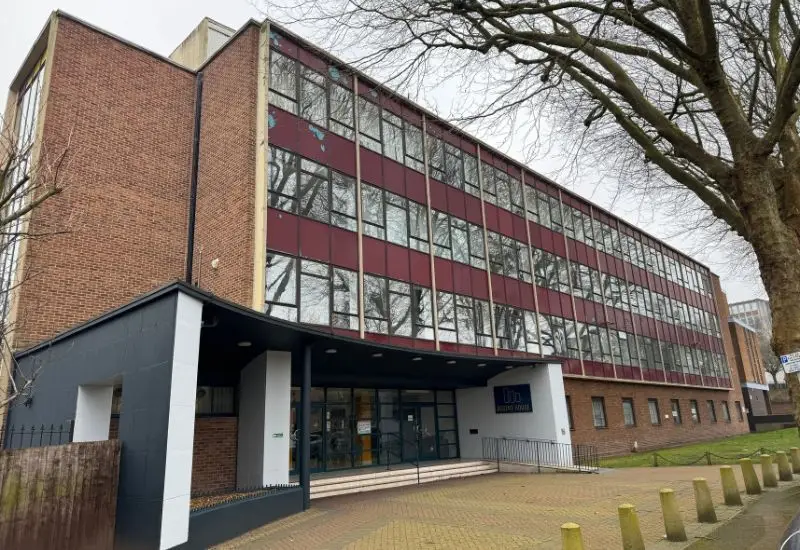
Any building constructed or modified between the 1950s and the mid 1990s is at risk. It was particularly popular in schools, hospitals, industrial units, and office blocks with flat roof designs. If your building falls within this age bracket, a professional survey is essential.
Finding RAAC does not always mean a building must be closed. However, it does require immediate professional assessment. We will advise on whether the material can be safely monitored, if it requires temporary propping, or if it needs to be integrated into your Capital Expenditure Plans for replacement.
We would love to speak with you. Feel free to reach out using the below email or form.
office@mmbuildingsurveyors.co.uk